What Is Laryngeal Massage—And Who Should Get It?
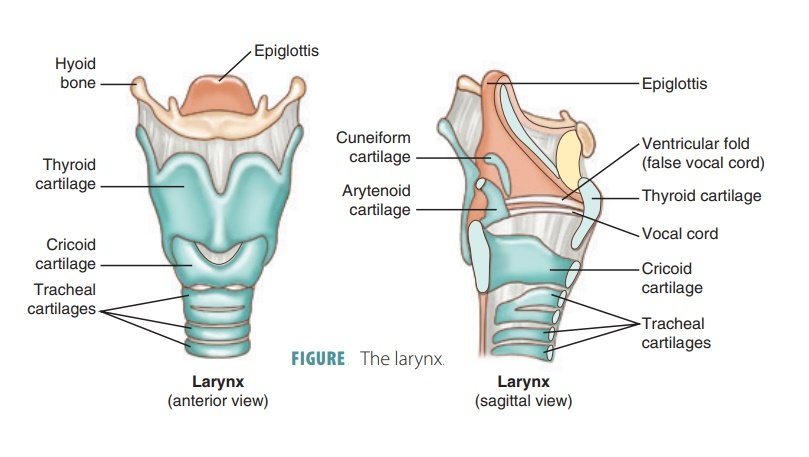
The larynx (voice box) is far more than just a few strips of vocal cord tissue. The numerous muscles, cartilages, and ligaments that make up the voice give it some of the most refined flexibility and mobility of any structure in the human body. It moves constantly throughout the day with breathing and swallowing, meaning it is in constant motion. Conversational speech, with its adjustments to tone, pitch, volume and prosody, bring further tasks of motion. But professional voice use, such as singing or acting, create the most extreme adjustments of the entire apparatus.
To elevate pitch, for example, we engage multiple muscles, which are attached to cartilage and bone. These muscles swing the cords into a particular position, elevate or lower the larynx, narrow or widen the throat, relax or tense the tongue and palate, hold the larynx into place for sustained voicing and gently release or tighten to adjust volume. All these movements happen in less than a second and are repeated with every change in pitch, tone, volume, vibrato, and resonance. There is no other dynamic structure in the human body that is put to such constant, precise, and high intensity use.
One wonders if this is why the larynx doesn’t feel pain and fatigue like other musculoskeletal structures - to do so would be to be in constant pain and fatigue from non-stop use.
The laryngeal equivalent of pain and strain are:
Loss of endurance
Loss of agility/flexility
Voice fatigue
Globus or throat tightness
Hoarseness
When professionals experience these symptoms, they are often inclined to rest. In the larynx, as with other systems like shoulders, resting often worsens the issue. Mobility is further restricted, endurance, coordination, and agility are lost.
This is where laryngeal massage is so critical. Like a sports massage of the neck and throat, laryngeal massage focuses on the release of ligaments, tendons and muscles that hold tension and create imbalance, asymmetry and inefficiency. This is best done by a vocal therapist (speech pathologist) or laryngologist with intimate knowledge of the vocal apparatus, and only after vocal cord injury has been ruled out.
Within 1-2 sessions of laryngeal massage, a symptomatic performer often returns to their baseline, especially when coupled with voice therapy.
After return to normal, regular laryngeal massage helps to keep the larynx freely moving and efficient. For most professional voice users, this may be every 1-3 months depending on demand. Many touring artists or Broadway/musical theater performers will have laryngeal massage monthly throughout their tour/run, due to the extremely high demand. During less intensive stretches of voice use, this can be spaced out to every 3 months.
This is Part 1 of a series on laryngeal massage, where we will also discuss finding a qualified therapist, what you should expect from a session, uses of laryngeal massage in specific voice disorders, and use in the performing population. If you are interested in learning more, reach out to us at Center for Vocal Health!