


Your Voice & Your Health

The Voice and Mental Health: What the Science Says About Stress, Anxiety, and Dysphonia
When people describe losing their voice in moments of intense emotion, or feeling their throat tighten before a difficult conversation, they are describing real physiological events. The larynx is exquisitely responsive to the autonomic nervous system, and the connection between emotional and psychological states and voice quality is one of the better-documented areas in vocal health research.

Why Women's Vocal Health Concerns Are Taken Less Seriously, And What to Do About It
If you are a female-presenting voice professional who has felt that your vocal concerns were not taken seriously, or that your symptoms were attributed to stress, anxiety, or vocal overuse before anyone looked closely at your vocal folds, you are not alone. There is a documented pattern in how voice care is accessed and delivered across gender lines, and understanding it is the first step toward advocating effectively for your own vocal health.
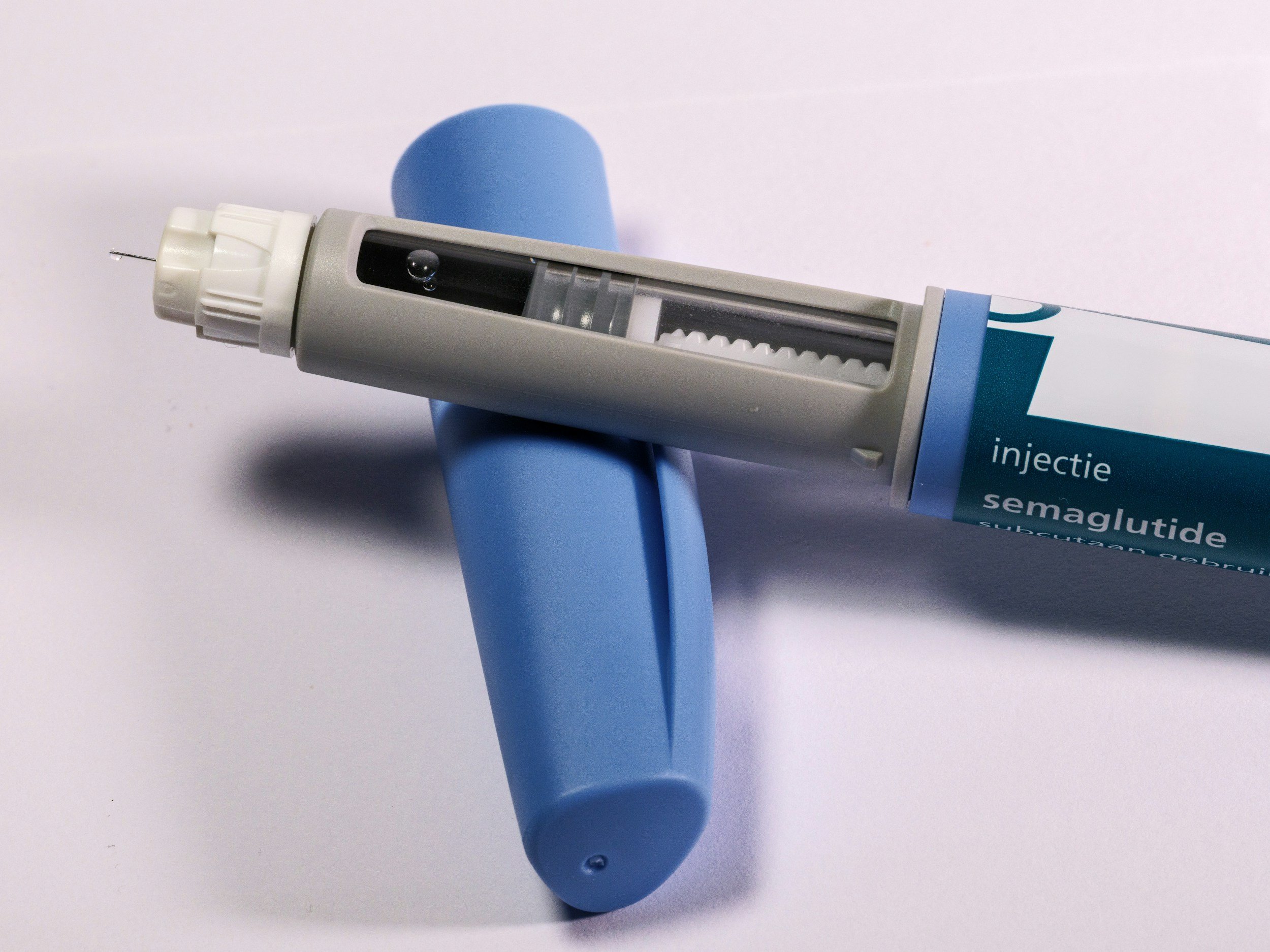
What GLP-1 Medications Like Ozempic May Be Doing to Your Voice
GLP-1s, the class of medications that includes semaglutide (Ozempic, Wegovy) and tirzepatide (Mounjaro), have become among the most prescribed drugs in the United States. Roughly one in eight American adults has taken a GLP-1 medication at some point (Saleem et al., 2025). Their benefits for weight management and metabolic health are well documented. What is less discussed is how the known side effect profile of these medications interacts with the larynx and vocal tract.

The Summer Tour Voice: How to Survive Back-to-Back Performances in the Heat
Summer touring can be punishing to a working vocalist's voice. How can a festival performing, touring artist prep themselves for a successful summer of singing?

Caffeine and Your Voice: How Much Is Too Much?
Caffeine (coffee, tea, matcha) is consumed daily by the overwhelming majority of performers and professional speakers, yet its effect on the voice is rarely discussed seriously.

The Aging Voice: How does aging impact your voice?
Every performer knows their instrument changes over time. But singers and voice professionals often feel blindsided when their own instrument starts shifting in ways they didn't anticipate. Vocal aging is real, it's physiological, and it deserves a direct conversation.
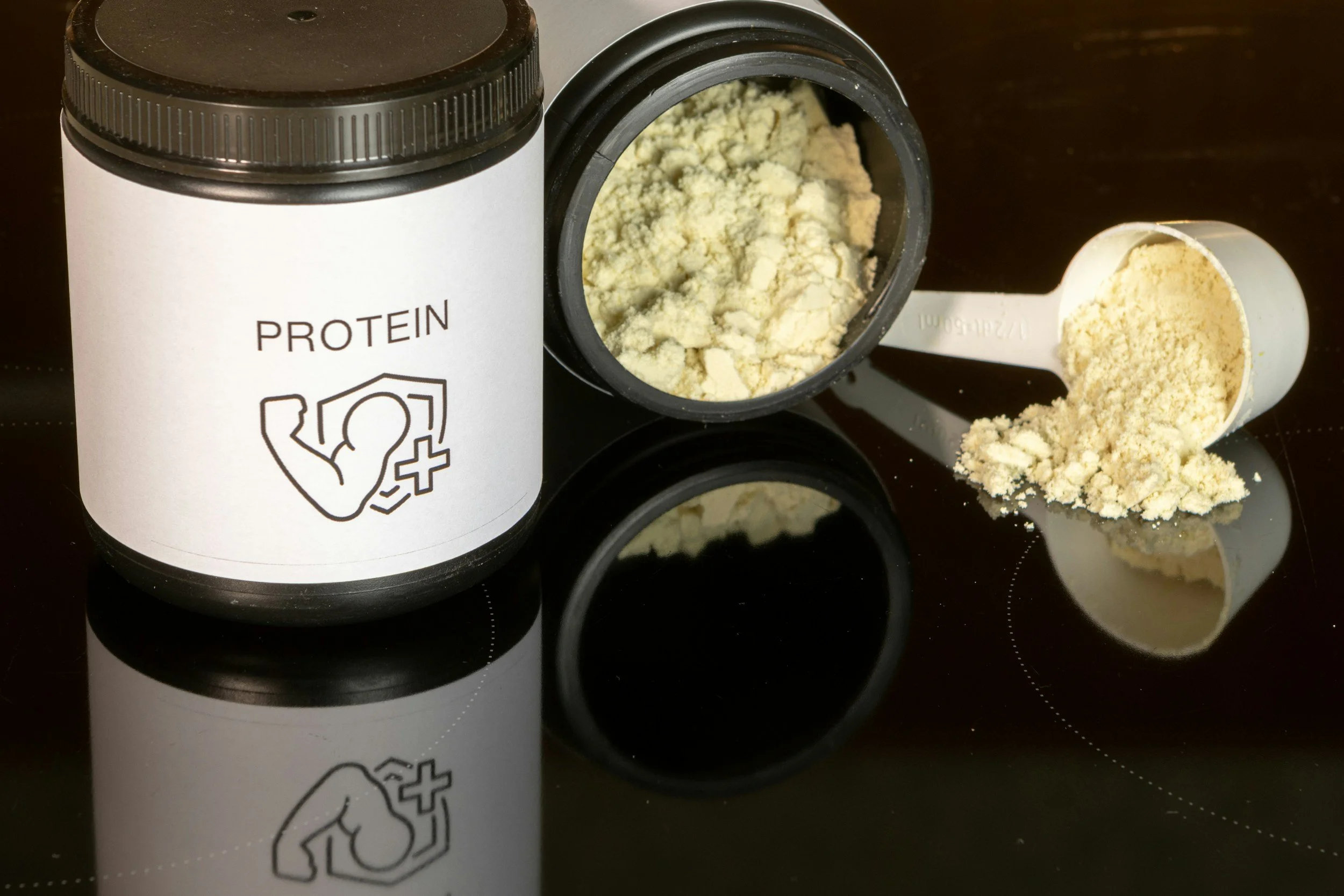
Protein Supplements and Laryngitis: What Performers Need to Know
High protein diets are currently very popular in nutrition culture. Whether it's athletes chasing muscle gain, dieters following keto or carnivore protocols, or the health-conscious targeting 1 gram per pound of weight, the shift toward high protein eating is everywhere. Because these targets are hard to hit, many turn to supplements. But for singers, speakers, and professional voice users, this dietary trend comes with some vocal health implications worth understanding.

Can Poor Sleep Affect Your Voice? The Science of Rest and Vocal Recovery
Sleep plays a critical role in physical recovery, and singers are increasingly aware of how sleep affects their vocal health and performance. Poor sleep quality can contribute to vocal fatigue, poor performance, and increased risk of injury.

The Truth About Throat Clearing: Why It Damages Your Voice
Throat clearing is a common habit that many people use to relieve irritation or remove mucus. However, frequent throat clearing can significantly damage vocal fold tissue and contribute to chronic voice problems.

Understanding Vocal Fold Swelling: Causes, Symptoms, and Treatment
Vocal fold swelling is one of the most common causes of hoarseness and voice changes. While temporary swelling is a normal response to voice use, persistent inflammation can interfere with vocal performance and lead to long-term injury if not addressed.

Annual Physical Part 4: Stroboscopy
If the annual vocal checkup is your vocal sports physical, stroboscopy is your film study. It allows us to evaluate the health of the vocal folds, their function, and any areas of risk for future injury.
For professional voice users, stroboscopy is one of the most valuable tools in preventing injury and maintaining vocal longevity.
Annual Physical Part 3: Voice Exam
In this series, we're describing the vocal athlete's annual exam. More than just a scope, we've shown in parts 1 and 2 that there are other critical elements to evaluation. Here, in part 3 of the exam, we discuss why it's important to evaluate how your voice works in real time: effort, coordination, endurance, and compensation patterns.

Annual Physical Part 2: ENT Exam
Many patients assume vocal health begins and ends with the vocal folds. But voice is influenced by the entire upper airway system. That’s why a complete annual vocal checkup should include a complete exam of the ears, nose, mouth and neck.

Annual Vocal Physical - Part 1: The History
In medicine, the evaluation starts well before the examination. A skilled clinician begins by asking the right questions, because history reveals details and clues to underlying problems that can be missed on physical exam imaging alone can miss. A voice evaluation is no difference.
A comprehensive annual vocal checkup should include an extensive history. For professional voice users, this step is not “intake paperwork.” It is one of the most diagnostic parts of the visit.

The Annual Vocal Physical
Just like traditional sports athletes get an annual check up to ensure fitness is optimized, vocal athletes also need an annual check. Singers, actors, teachers, speakers, podcasters, and content creators are casual voice users. They are vocal athletes whose livelihoods depend on their voices, and to whom their voice are extremely important. Vocal athletes shouldn’t wait until an injury sidelines their season to get evaluated.

How to Protect Your Voice at Conferences and Conventions
If you’ve ever lost your voice after a long day of networking, presenting, or speaking at a conference—you’re not alone. Conventions and events common places for vocal strain to sneak up on professionals. And for those who rely on their voice to teach, lead, sell, or perform, the consequences can result in limited or painful conversations or distracting hoarseness.

How Mental Health and Anxiety Impact Your Voice
For professional voice users, anxiety, periods of high stress, or mental health dips directly impact the muscles around the larynx. Just as for others, stress and anxiety might lead to reflux or knots in your shoulders, for singers and actors, stress and strain go to the voice, causing voice fatigue, loss of range, or even complete voice loss.

What Your Speaking Voice Says About Your Health
Your voice does more than help you communicate—it can also reveal important clues about your overall health. Persistent hoarseness, changes in speaking pitch, voice fatigue, or breathiness may all signal something about your vocal health.

Is Your Cough Ruining Your Voice? How to Protect your Voice when You're Coughing
A lingering cough might seem harmless—but for singers, speakers, teachers, and other vocal professionals, it can quietly wreak havoc on your voice.

How Weather Shifts Can Impact Your Voice (And What You Can Do About It)
As summer gives way to fall, you may notice an impact on your voice. Any seasonal/wather change can have an effect on your voice—especially for singers, speakers, and other vocal professionals. Just ask any singer who has flown into Denver for a tour date.