


Vocal Injury
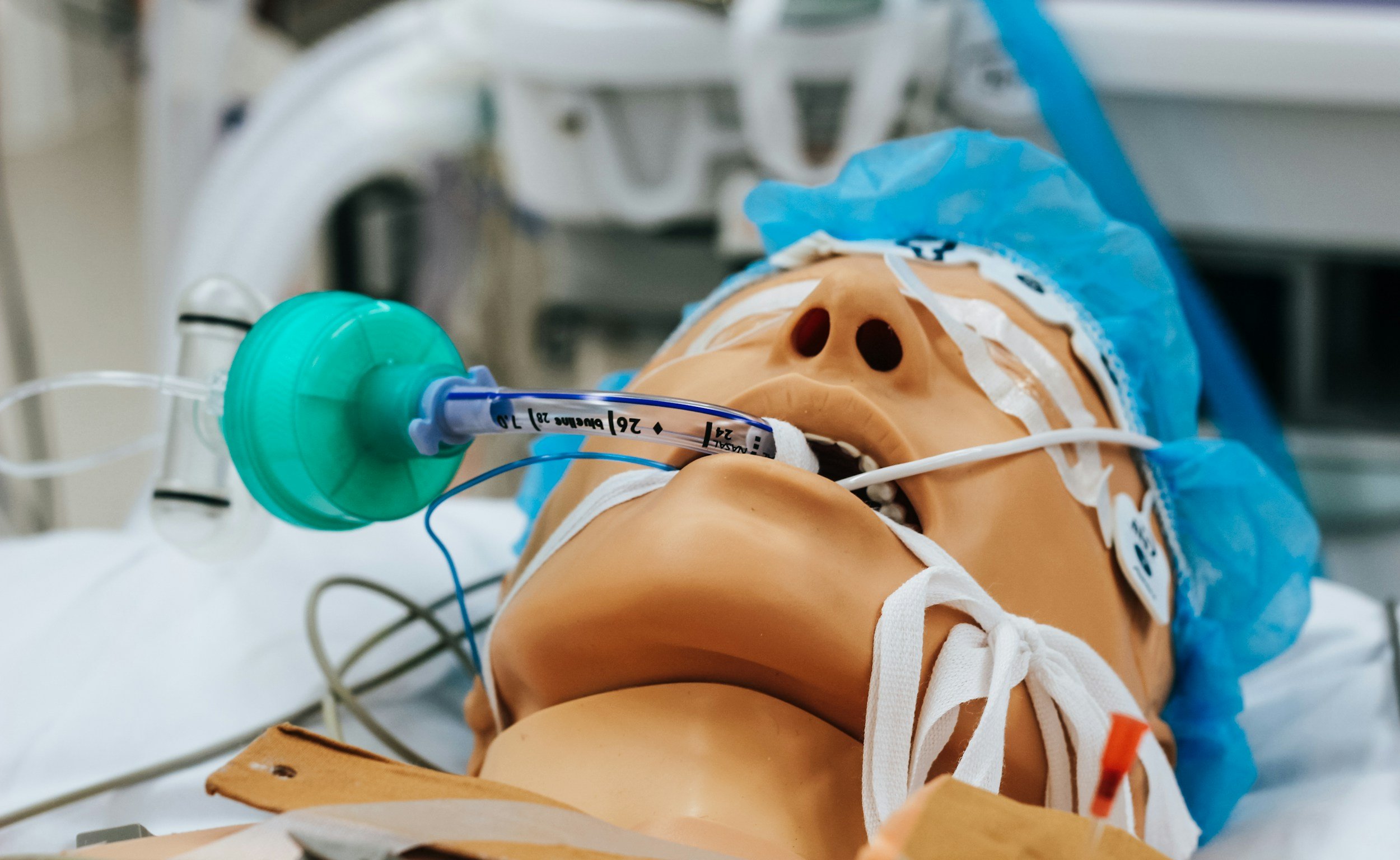
Hoarseness After Intubation: Vocal Risks from Surgery
For most, hoarseness after general anesthesia is an expected, minor inconvenience to wait out over a few days. For professional voice users, it can be career-affecting. When persistent, it can significantly delay return to performance. Most patients are not informed about voice risks related to intubation during the pre-surgical consent process when the surgery itself does not risk the voice.

Can an AI Detect Disease From the Sound of Your Voice?
Clinicians have long recognized that changes in vocal quality, pitch, breathiness, and rhythm can signal underlying pathology. What has changed is the ability to analyze that information at scale and with precision.

Laryngeal Massage for Performers: Prevention, Recovery, and Optimization
This blog dives into how vocal professionals, particularly singers, actors, and broadcasters, can use laryngeal massage proactively to avoid injury, recover from high-use periods, and maintain vocal agility.

How Laryngeal Massage Helps Treat Muscle Tension Dysphonia
This post explores the clinical application of laryngeal massage in treating muscle tension dysphonia (MTD)—one of the most common causes of chronic voice issues. It also explains how MTD develops and why manual therapy is part of a multi-pronged treatment plan.

What to Expect in a Laryngeal Massage Session
The concept of laryngeal massage goes by many names and is practiced by many different types of specialists. It is not a formal technique with specific steps. A professional with license to touch may undergo any number of trainings to better understand and practice laryngeal massage.

How to Find a Qualified Provider for Laryngeal Massage
Laryngeal massage is sports massage for the professional vocalist. Rather than being a specific set of ‘moves’ every practitioner performs laryngeal massage in their own unique way. Some rely more on myofascial techniques, others deep tissue (caution: this is not advised). Like any hands-on modality, the benefits are based on the expertise and training of the practitioner. With “training programs” on the rise, it’s critical to recognize that the neck and larynx contain highly-sensitive structures and that less-skilled touch can be totally ineffective or, worse, have serious consequences.

What Is Laryngeal Massage—And Who Should Get It?
The larynx (voice box) is far more than just a few strips of vocal cord tissue. The numerous muscles, cartilages, and ligaments that make up the voice give it some of the most refined flexibility and mobility of any structure in the human body. It moves constantly throughout the day with breathing and swallowing, meaning it is in constant motion. Conversational speech, with its adjustments to tone, pitch, volume and prosody, bring further tasks of motion. But professional voice use, such as singing or acting, create the most extreme adjustments of the entire apparatus.

Why You Shouldn’t Push Through Hoarseness During the Holidays
The holiday season is full of performances, travel, events, and conversations. For vocal professionals, it’s a high-demand time. But one of the biggest mistakes voice users make this time of year is pushing through hoarseness.

Why Whispering Might Be Hurting Your Voice
When your voice is hoarse or strained, whispering might feel like a gentle, safer alternative to speaking—but is it as harmful as is believed?

Tech-Neck and the Voice: How Posture Impacts Vocal Health
We often talk about how hydration, vocal technique, and rest impact your voice—but have you ever considered your posture?

What is Muscle Tension Dysphonia (MTD)?
Muscle tension dysphonia (MTD) is often described as an achy feeling in the throat, voice fatigue, or loss of vocal endurance. For singers, teachers, speakers, and other vocal professionals, this can be frustrating and very limiting. Voice rest may make the problem worse, making symptoms even more perplexing.

What is Laryngitis: Causes, Symptoms, and Prevention

What is a Vocal Polyp: Causes, Symptoms, Treatment, and Recovery

Vocal Cord Paralysis: Causes, Symptoms, and Treatment Options

What Are Vocal Cord Nodules, and How Are They Treated?

Understanding Common Vocal Injuries

Are Vocal Injuries caused by bad technique?
Explore the emotional and physical challenges that professional voice users face when dealing with vocal injuries. From self-doubt to the role of technique and contributing factors, discover how understanding the 'vocal perfect storm' can empower singers to protect their vocal health and take proactive measures. Learn why engaging with a laryngologist is a crucial step towards injury prevention and recovery.

Singer’s Tonsillectomy: Tonsil removal for the professional voice user
Tonsillectomy is often framed as low-risk to the voice because it’s not an operation that directly contacts the vocal cords. However, the tonsils sit in the throat, influencing vocal tract shape. The voice can be impacted even if the vocal cords are not the target of the surgery. Tonsils affect the voice when they are present, and scar tissue from tonsillectomy can also therefore affect the voice.
