


Blog
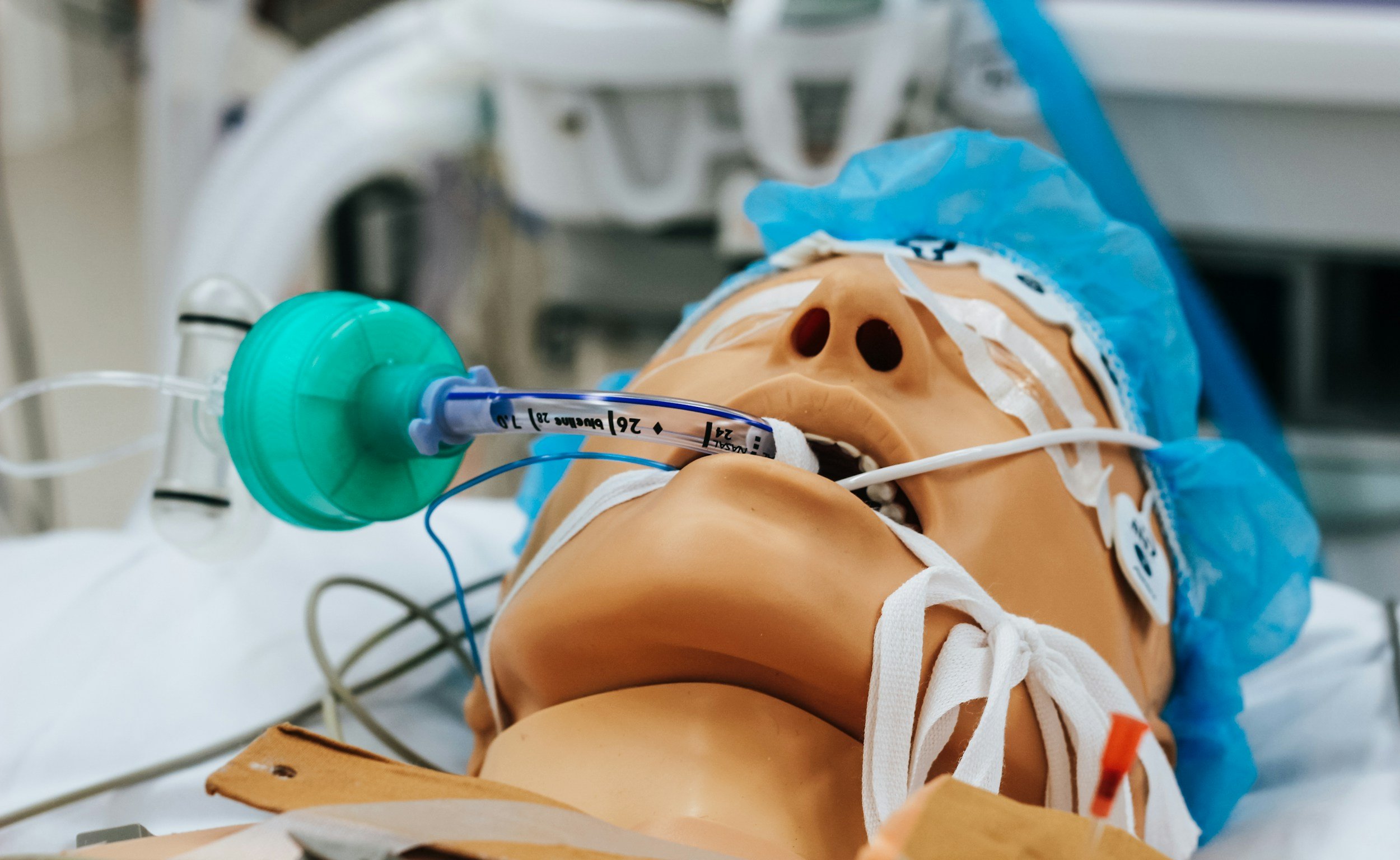
For most, hoarseness after general anesthesia is an expected, minor inconvenience to wait out over a few days. For professional voice users, it can be career-affecting. When persistent, it can significantly delay return to performance. Most patients are not informed about voice risks related to intubation during the pre-surgical consent process when the surgery itself does not risk the voice.

For performers and professional voice users who swim for fun or exercise, there are a specific set of respiratory and vocal considerations that most have never thought seriously about.

There is no gig in the performing world quite like a wedding. The pay is good, the audience is emotionally invested, and the logistics are a complete nightmare for your voice.
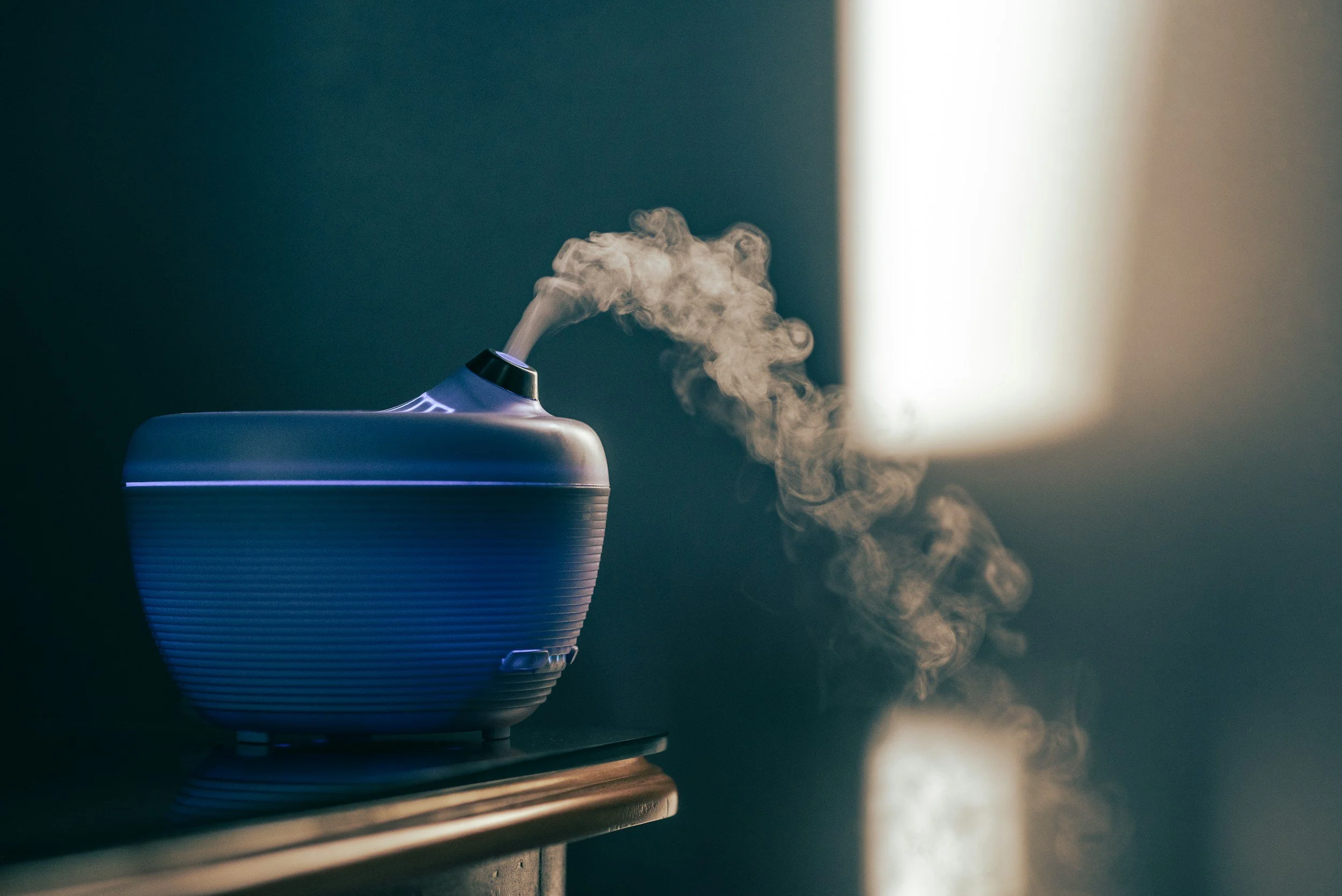
Walk into any professional singer's hotel room or tour bus and you're likely to find a humidifier running in the corner. It's become as standard a piece of equipment as a foam roller is for other sports. But is there actual science behind it, or is it one of those vocal health myths that has spread through the performing arts world unchallenged?

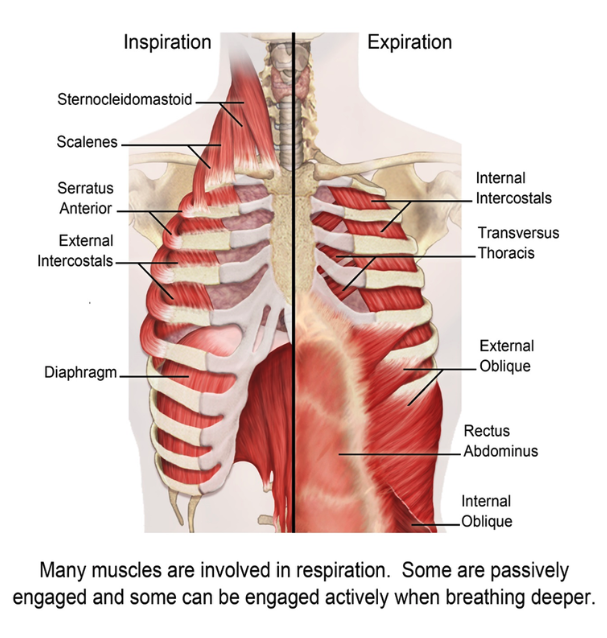
Breath support is often pronounced as the most important foundation in vocal production. Every singer has heard about their breath from their teachers and coaches. Why is breath support considered so fundamental to healthy voice production?

Singers often describe a familiar pattern: as soon as they start singing (especially higher or in more demanding sections) they feel a tickle, a prickly sensation, or an irresistible urge to cough or clear their throat. The sound may still “come out,” but it doesn’t feel right.

"I used to be able to do a two hour set and now I start feeling tired or strained after an hour"
One of the most common issues that bring singers into the office is loss of vocal endurance and their voice feeling fatigued. This could be a sign of an underlying vocal efficiency issue or injury.

As cold and flu season approaches, performers, singers, teachers, and vocal professionals face a double threat: not only do respiratory illnesses affect your body—they directly impact your voice.

For teachers, the start of a new school year often brings more than just lesson plans and name tags—it brings vocal fatigue. Hours of daily speaking, often in loud or dry environments, can strain your voice quickly.

As students head back to school, those involved in music, theater, debate, or any performance-based curriculum are preparing for a busy season of rehearsals, auditions, and classes. While many students check in with their primary care physician or get routine physicals before the school year begins, few take time to check in on their most valuable instrument—their voice.

Whether you’re performing under stage lights or live streaming from your home studio, each setting comes with unique demands. Understanding each environment affect your voice can help you adjust your routine, protect your instrument, and deliver your best performance.

Your vocal folds don’t take a season off. Whether you're navigating the dryness of winter and forced heat, the heat of summer (and drying air conditioning), or the pollen-filled air of spring, your voice feels the effects of the environment.


For singers, speakers, educators, and actors, vocal stamina is about how efficiently your body supports your sound. Endurance training is not simply just warmups, hydration, or more technical work. Your vocal endurance starts in your body, long before a note is sung or a sentence is spoken.

At the Center for Vocal Health, we see everyone from teachers and singers to public speakers, content creators, and podcasters. No matter who walks through the door, we find ourselves debunking the same vocal myths over and over again. Some are harmless, others are actively damaging—but all need to go. Here’s the evidence you need to stop believing them.


This World Voice Day, we want to highlight the numerous vocal health professionals committed to helping singers, speakers, and everyday voice users maintain optimal vocal performance. From comprehensive medical evaluations to personalized voice therapy and coaching, there are a multitude of professionals who have devoted their careers to help support and connect through voice.


Featured

By the third week of September, a predictable thing happens. Teachers who ended June with a normal voice are hoarse by Thursday afternoon. Most of them assume they are doing something wrong: talking too much, not drinking enough water, getting older.
The more accurate explanation is usually the room.

Every September, a choir director hears a student open their mouth and thinks: that is not the voice I auditioned in May.
The changing of a voice from it's pre-pubescent shape and size marks one of the defining characteristics of maturation. But to singers and teachers who have worked with the child's voice, the change can be jarring, upsetting, and physically difficult to navigate.

When people describe losing their voice in moments of intense emotion, or feeling their throat tighten before a difficult conversation, they are describing real physiological events. The larynx is exquisitely responsive to the autonomic nervous system, and the connection between emotional and psychological states and voice quality is one of the better-documented areas in vocal health research.

If you are a female-presenting voice professional who has felt that your vocal concerns were not taken seriously, or that your symptoms were attributed to stress, anxiety, or vocal overuse before anyone looked closely at your vocal folds, you are not alone. There is a documented pattern in how voice care is accessed and delivered across gender lines, and understanding it is the first step toward advocating effectively for your own vocal health.
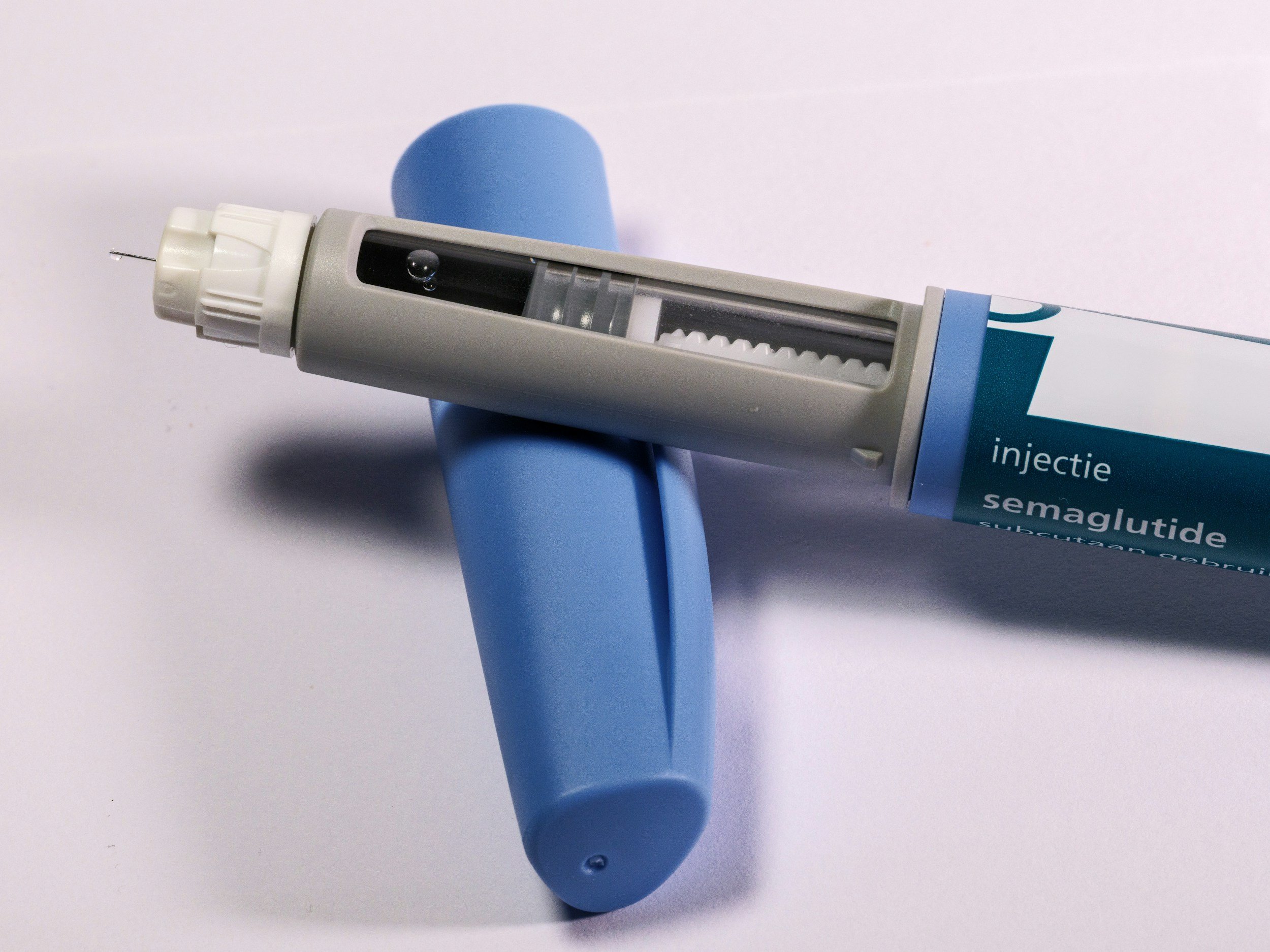
GLP-1s, the class of medications that includes semaglutide (Ozempic, Wegovy) and tirzepatide (Mounjaro), have become among the most prescribed drugs in the United States. Roughly one in eight American adults has taken a GLP-1 medication at some point (Saleem et al., 2025). Their benefits for weight management and metabolic health are well documented. What is less discussed is how the known side effect profile of these medications interacts with the larynx and vocal tract.

Summer touring can be punishing to a working vocalist's voice. How can a festival performing, touring artist prep themselves for a successful summer of singing?

Caffeine (coffee, tea, matcha) is consumed daily by the overwhelming majority of performers and professional speakers, yet its effect on the voice is rarely discussed seriously.

Every performer knows their instrument changes over time. But singers and voice professionals often feel blindsided when their own instrument starts shifting in ways they didn't anticipate. Vocal aging is real, it's physiological, and it deserves a direct conversation.

High protein diets are currently very popular in nutrition culture. Whether it's athletes chasing muscle gain, dieters following keto or carnivore protocols, or the health-conscious targeting 1 gram per pound of weight, the shift toward high protein eating is everywhere. Because these targets are hard to hit, many turn to supplements. But for singers, speakers, and professional voice users, this dietary trend comes with some vocal health implications worth understanding.

Sleep plays a critical role in physical recovery, and singers are increasingly aware of how sleep affects their vocal health and performance. Poor sleep quality can contribute to vocal fatigue, poor performance, and increased risk of injury.

Throat clearing is a common habit that many people use to relieve irritation or remove mucus. However, frequent throat clearing can significantly damage vocal fold tissue and contribute to chronic voice problems.

Vocal fold swelling is one of the most common causes of hoarseness and voice changes. While temporary swelling is a normal response to voice use, persistent inflammation can interfere with vocal performance and lead to long-term injury if not addressed.

If the annual vocal checkup is your vocal sports physical, stroboscopy is your film study. It allows us to evaluate the health of the vocal folds, their function, and any areas of risk for future injury.
For professional voice users, stroboscopy is one of the most valuable tools in preventing injury and maintaining vocal longevity.
In this series, we're describing the vocal athlete's annual exam. More than just a scope, we've shown in parts 1 and 2 that there are other critical elements to evaluation. Here, in part 3 of the exam, we discuss why it's important to evaluate how your voice works in real time: effort, coordination, endurance, and compensation patterns.

Many patients assume vocal health begins and ends with the vocal folds. But voice is influenced by the entire upper airway system. That’s why a complete annual vocal checkup should include a complete exam of the ears, nose, mouth and neck.

In medicine, the evaluation starts well before the examination. A skilled clinician begins by asking the right questions, because history reveals details and clues to underlying problems that can be missed on physical exam imaging alone can miss. A voice evaluation is no difference.
A comprehensive annual vocal checkup should include an extensive history. For professional voice users, this step is not “intake paperwork.” It is one of the most diagnostic parts of the visit.

Just like traditional sports athletes get an annual check up to ensure fitness is optimized, vocal athletes also need an annual check. Singers, actors, teachers, speakers, podcasters, and content creators are casual voice users. They are vocal athletes whose livelihoods depend on their voices, and to whom their voice are extremely important. Vocal athletes shouldn’t wait until an injury sidelines their season to get evaluated.

If you’ve ever lost your voice after a long day of networking, presenting, or speaking at a conference—you’re not alone. Conventions and events common places for vocal strain to sneak up on professionals. And for those who rely on their voice to teach, lead, sell, or perform, the consequences can result in limited or painful conversations or distracting hoarseness.

For professional voice users, anxiety, periods of high stress, or mental health dips directly impact the muscles around the larynx. Just as for others, stress and anxiety might lead to reflux or knots in your shoulders, for singers and actors, stress and strain go to the voice, causing voice fatigue, loss of range, or even complete voice loss.

Your voice does more than help you communicate—it can also reveal important clues about your overall health. Persistent hoarseness, changes in speaking pitch, voice fatigue, or breathiness may all signal something about your vocal health.

A lingering cough might seem harmless—but for singers, speakers, teachers, and other vocal professionals, it can quietly wreak havoc on your voice.

As summer gives way to fall, you may notice an impact on your voice. Any seasonal/wather change can have an effect on your voice—especially for singers, speakers, and other vocal professionals. Just ask any singer who has flown into Denver for a tour date.

When we talk about vocal health, the conversation usually focuses on technique, hydration, vocal load, or environmental factors. But one of the most overlooked — and most powerful — forces impacting the voice is mental health.
Your voice doesn’t exist in isolation from your emotions. Anxiety, depression, burnout, and chronic stress all who up in the body — and the voice.



Are allergies killing you this year? Here’s what you need to know about how allergies can affect your voice.
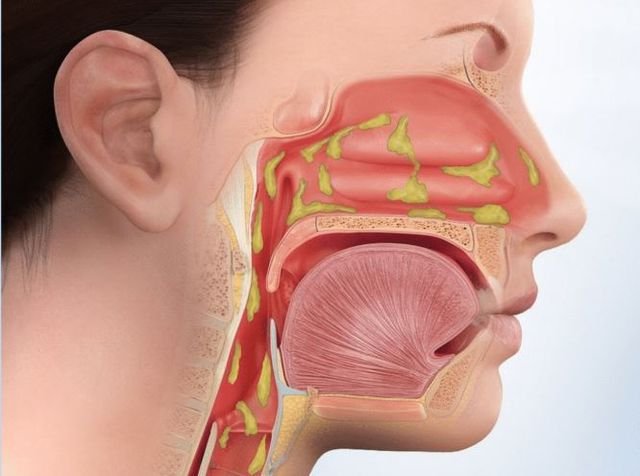
Postnasal drip is the mucus that runs down the back of the throat from the nose. Mucus is produced throughout the nose, throat, and respiratory tract, with a significant portion generated in the nose and sinuses. The body produces around 1-1.5 liters of mucus per day, and much of it flows down the back of the nose into the throat, where it is swallowed.

There is only one safe and thorough way to get ears cleaned. Using a combination of visualization (a camera that goes into the ear) and instruments to suction and gently remove the wax ensures no injury to the delicate ear canal and ear drum. Other techniques, such as irrigation (squirting water into the ear) risk pushing the wax farther into the ear or incompletely removing the wax, a setup for a blockage while on tour.

The New York Times recently made official what voice specialists have known for years: singers are athletes. So what happens when those athletes become pregnant?

Summer performing arts camps are some of the most formative experiences a young vocalist can have. Weeks of intensive rehearsals, coaching, late nights, and full productions compress months of artistic growth into a single summer. For many students, it's the moment they fall in love with performing for life.
It's also a high-risk periods for vocal injury.

Audition season is one of the most demanding times of year for singers, actors, and performers. With frequent rehearsals, high stress, and repeated performances, vocal fatigue and injury risk increase significantly. Proper vocal preparation can help you maintain consistency, prevent strain, and perform at your best when it matters most.

Holidays see a huge uptick in performances—choirs, concerts, worship services, musicals, and more. With that comes higher vocal demand, illness, colder air, and less recovery time. Whether you're a professional or a passionate hobbyist, how you prepare your voice can make all the difference.

You know what your voice feels like when it’s working well—clear, flexible, and dependable. But when something shifts, how do you know whether it’s just fatigue… or something more?
Here are some clear signs your voice may need professional care.

Your voice needs a summer survival plan just as much as your wardrobe does. Between travel, hot outdoor festival gigs with variable sound teams, unfamiliar food, and erratic sleep schedules, summer is one of the most demanding seasons for vocal health.
Here’s how to prepare your voice so it doesn’t just survive—but thrives—through the busy season.
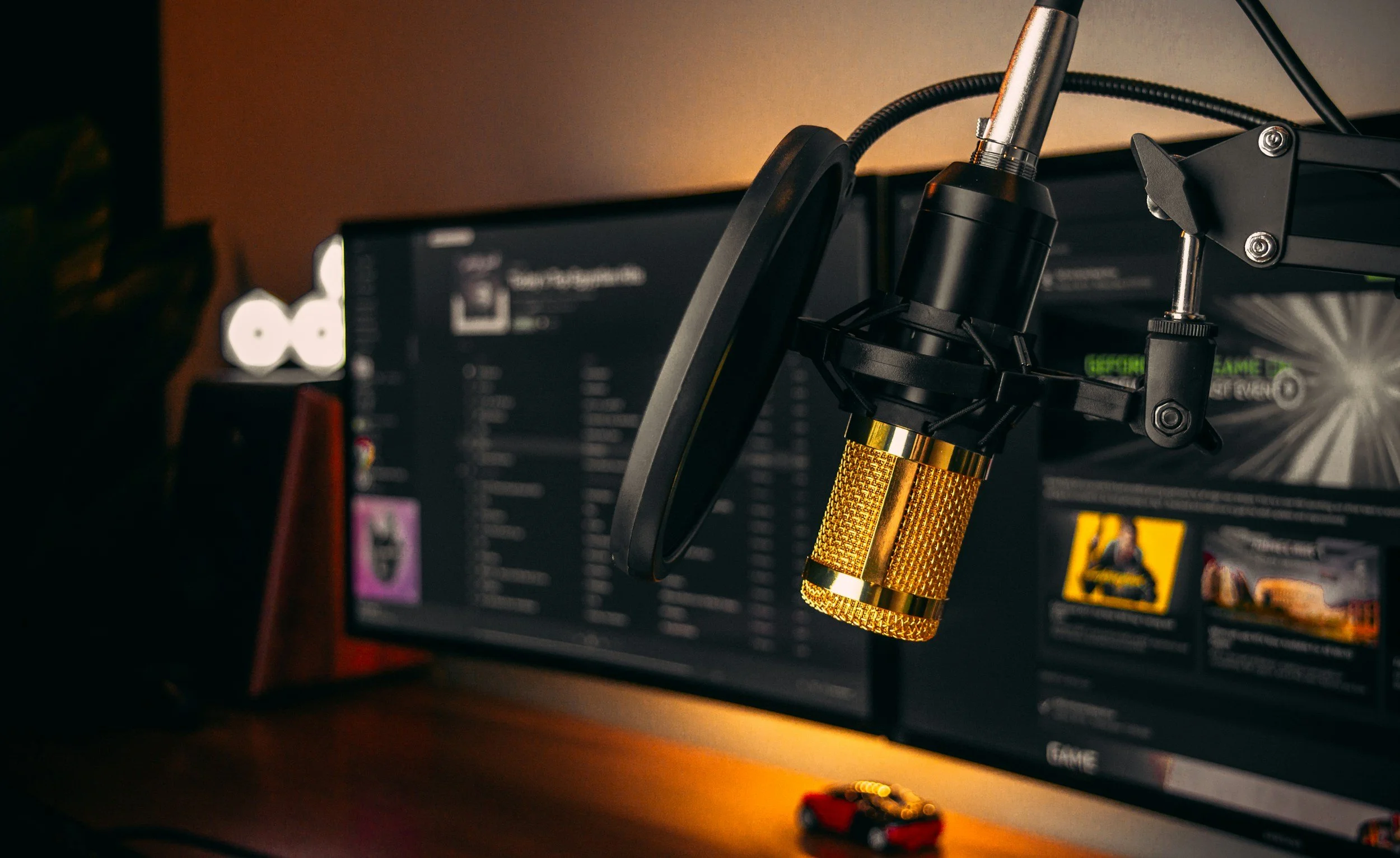
When people think of “vocal athletes,” they picture Broadway performers powering through eight shows a week, voice actors doing exertions, or actors delivering intense monologues. But there’s another group of professionals pushing their voices to the limit, day after day — and they’re often overlooked in this conversation: podcasters.
Yes, podcasters are vocal athletes, too. And it’s time we treated them like it.


When people think about vocal performers, they usually think of singers and actors. Singers and actors use their voices athletically, with maximal use of range, volume, articulation, and emotion.
Conversely, professional speakers may not come to mind when thinking of vocal performers. An extensive literature search resulted in articles referencing vocal challenges in singers, actors, teachers... telemarketers! But none that described the vocal challenges of public speaking.

In the world of professional speakers, eloquence and communication skills take center stage. The unsung hero is often the voice that brings words to life. This is never more apparent than when the voice is unhealthy or damaged.

When Robert Downey Jr announced "I took a beta blocker so this is going to be a breeze" at the 2024 Golden Globes, many were likely shocked to discover that someone who has been in the public eye for decades would require medications for performance anxiety.

An emotional and (as usual) honest Billie Eilish took to the stage to accept an award, tearfully stating "I'm on prednisone... I've had no voice all week, laryngitis, and I'm on prednisone... last time I was on it I threw my phone and shattered a mirror and this time, I will be crying."

Muscle Tension Dysphonia (MTD) has become a common diagnosis in voice, used when a doctor finds no signs of injury in a patient who has voice symptoms. This 'diagnosis' has led to a lot of confusion and also some stress and trauma as patients struggle to find treatment for their newly diagnosed condition.

How many times have you been told to "speak in a higher pitch" or that you're "talking too low" or "talking in your throat"? While these suggestions may be well-intentioned, blindly doing this can lead to muscle tension, strain, and potentially long-term voice issues.

Join us at Center for Vocal Health as we talk to you today about the complete vocal health exam for vocal athletes from ENT Laryngologist, Reena Gupta, MD.

Can you do a full voice exam at home? Absolutely. With the right equipment and physician, you can get a high-quality voice exam from the comfort of you own home. Or, if you run into trouble while filming, recording, or before opening, we can bring that care to your stage or studio. Mobile Stroboscopy means you can get an expert voice exam wherever you are.

“House calls” for Vocal Athletes: When and why on-location vocal checks are a game-changer with specialist laryngologist Reena Gupta, MD.

What strategies can help with stage fright?
There are a multitude of tools that may help an anxious performer. The Center for Vocal Health team has comprised a list that is a good starting point.

Stage fright is nearly universal among vocal performers. There are ways to get through stage fright without medications. Newer research helps us understand performance anxiety as a physiological, uncontrollable, and repetitive condition that must be approached with more empathy and a deliberate, holistic approach.

Vocal performers are athletes of the voice. Voicing is their sport. This includes singers, actors, voice actors, audiobook narrators, public speakers, and anyone else that uses their voice for a living.
For most, hoarseness after general anesthesia is an expected, minor inconvenience to wait out over a few days. For professional voice users, it can be career-affecting. When persistent, it can significantly delay return to performance. Most patients are not informed about voice risks related to intubation during the pre-surgical consent process when the surgery itself does not risk the voice.

Clinicians have long recognized that changes in vocal quality, pitch, breathiness, and rhythm can signal underlying pathology. What has changed is the ability to analyze that information at scale and with precision.

This blog dives into how vocal professionals, particularly singers, actors, and broadcasters, can use laryngeal massage proactively to avoid injury, recover from high-use periods, and maintain vocal agility.

This post explores the clinical application of laryngeal massage in treating muscle tension dysphonia (MTD)—one of the most common causes of chronic voice issues. It also explains how MTD develops and why manual therapy is part of a multi-pronged treatment plan.

The concept of laryngeal massage goes by many names and is practiced by many different types of specialists. It is not a formal technique with specific steps. A professional with license to touch may undergo any number of trainings to better understand and practice laryngeal massage.

Laryngeal massage is sports massage for the professional vocalist. Rather than being a specific set of ‘moves’ every practitioner performs laryngeal massage in their own unique way. Some rely more on myofascial techniques, others deep tissue (caution: this is not advised). Like any hands-on modality, the benefits are based on the expertise and training of the practitioner. With “training programs” on the rise, it’s critical to recognize that the neck and larynx contain highly-sensitive structures and that less-skilled touch can be totally ineffective or, worse, have serious consequences.

The larynx (voice box) is far more than just a few strips of vocal cord tissue. The numerous muscles, cartilages, and ligaments that make up the voice give it some of the most refined flexibility and mobility of any structure in the human body. It moves constantly throughout the day with breathing and swallowing, meaning it is in constant motion. Conversational speech, with its adjustments to tone, pitch, volume and prosody, bring further tasks of motion. But professional voice use, such as singing or acting, create the most extreme adjustments of the entire apparatus.

The holiday season is full of performances, travel, events, and conversations. For vocal professionals, it’s a high-demand time. But one of the biggest mistakes voice users make this time of year is pushing through hoarseness.

When your voice is hoarse or strained, whispering might feel like a gentle, safer alternative to speaking—but is it as harmful as is believed?

We often talk about how hydration, vocal technique, and rest impact your voice—but have you ever considered your posture?

Muscle tension dysphonia (MTD) is often described as an achy feeling in the throat, voice fatigue, or loss of vocal endurance. For singers, teachers, speakers, and other vocal professionals, this can be frustrating and very limiting. Voice rest may make the problem worse, making symptoms even more perplexing.





Explore the emotional and physical challenges that professional voice users face when dealing with vocal injuries. From self-doubt to the role of technique and contributing factors, discover how understanding the 'vocal perfect storm' can empower singers to protect their vocal health and take proactive measures. Learn why engaging with a laryngologist is a crucial step towards injury prevention and recovery.

Tonsillectomy is often framed as low-risk to the voice because it’s not an operation that directly contacts the vocal cords. However, the tonsils sit in the throat, influencing vocal tract shape. The voice can be impacted even if the vocal cords are not the target of the surgery. Tonsils affect the voice when they are present, and scar tissue from tonsillectomy can also therefore affect the voice.


A college theater major with gradual loss of vocal range and endurance.
A 19-year-old theater major in college noted a gradual loss of her singing voice, with increased raspiness, fatigue, and loss of vocal range. As a theater performer, she had attributed this to lack of singing practice but then noted it did not improve even as she worked on her singing voice. She had been trained by a vocal coach while in high school but had not had voice lessons since starting college 9 months earlier.

Discover the inspiring story of a 32-year-old recording artist who reclaimed her head voice after years of struggle. Learn how misconceptions about vocal aging were shattered and why prolonged recovery after performances could signal a deeper issue. Dive into the complexities of vocal health for busy performers and the challenges faced during treatment and rehabilitation. Follow her journey as she navigates surgery, customized rehabilitation during tours, and the expert guidance that helped her regain her head voice within just 4 weeks. Explore the world of vocal athletes and the importance of tailored care for performers. Read more about her remarkable journey on the Center for Vocal Health blog.

A 24-year-old voice actor loses her voice when she performs. This costs her career opportunities. She came for a second opinion after being told that her voice would not recover fully.